Individual Project

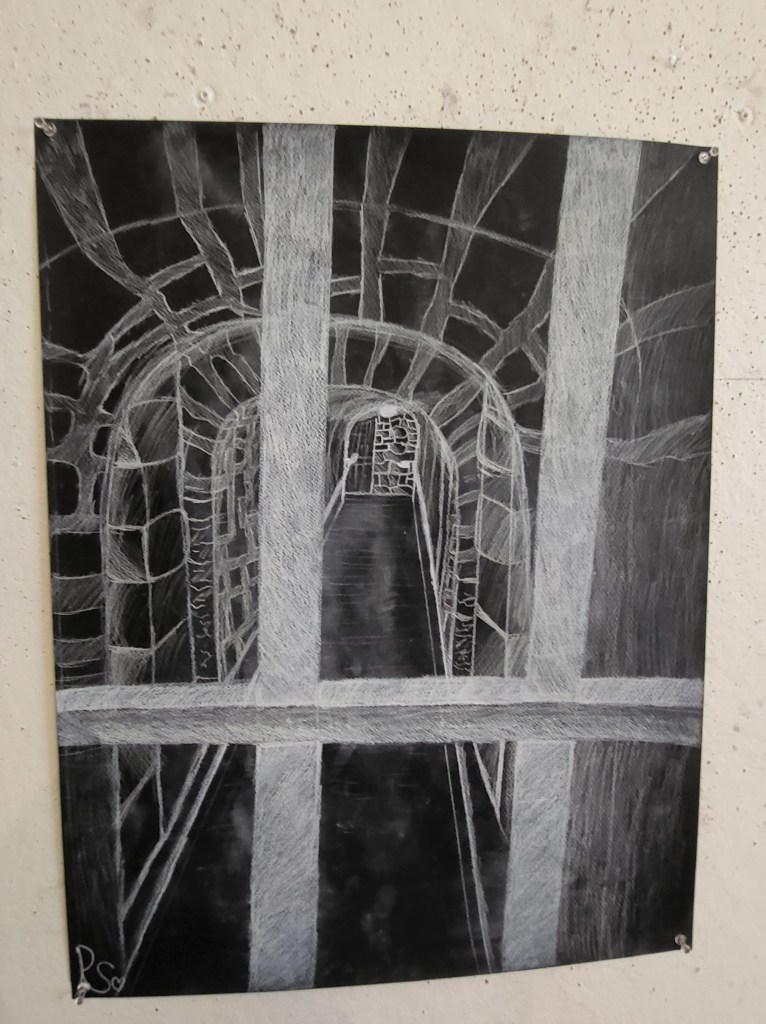
For my final project, I knew I wanted to do something that was easier for me but was fun for me as well. And since drawing in general is what I love doing best, I decided to do a Atmospheric Perspective project. Now my idea for it was to use black paper instead of white, since I already used white paper for the first assignment that we did that was about Atmospheric Perspective. However, when it came to the image, I wanted to pick something that had both light and darkest to fit the paper color well. After picking a good picture, and buying white colored pencils, I finally started drawing the outline of the image.
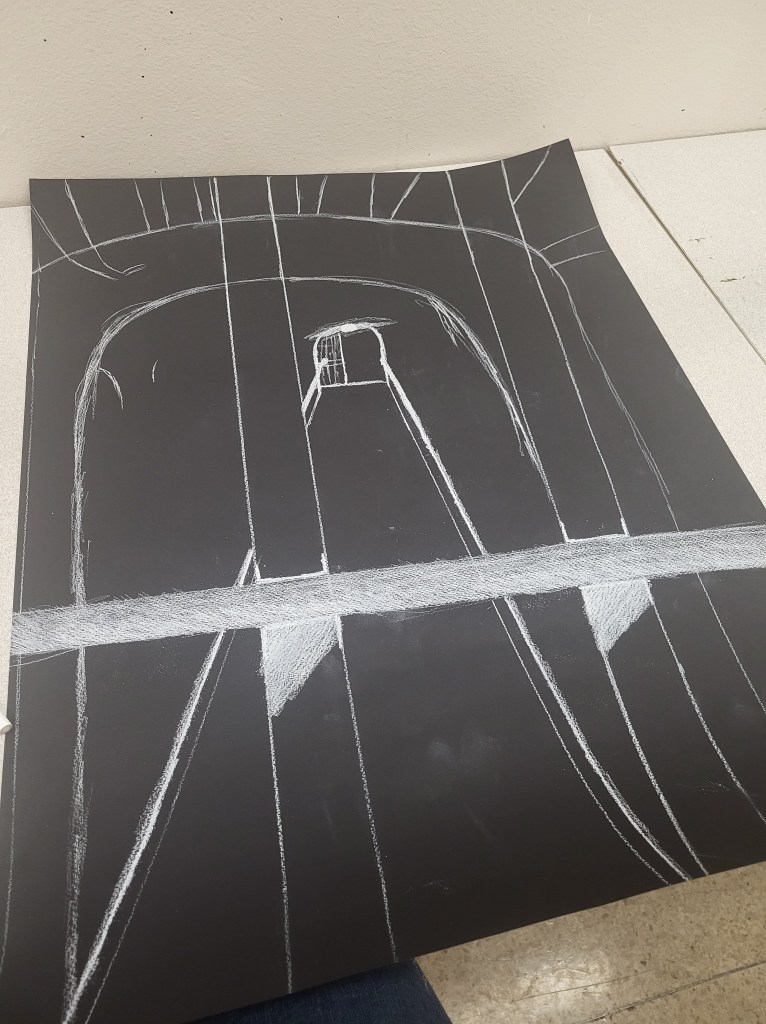
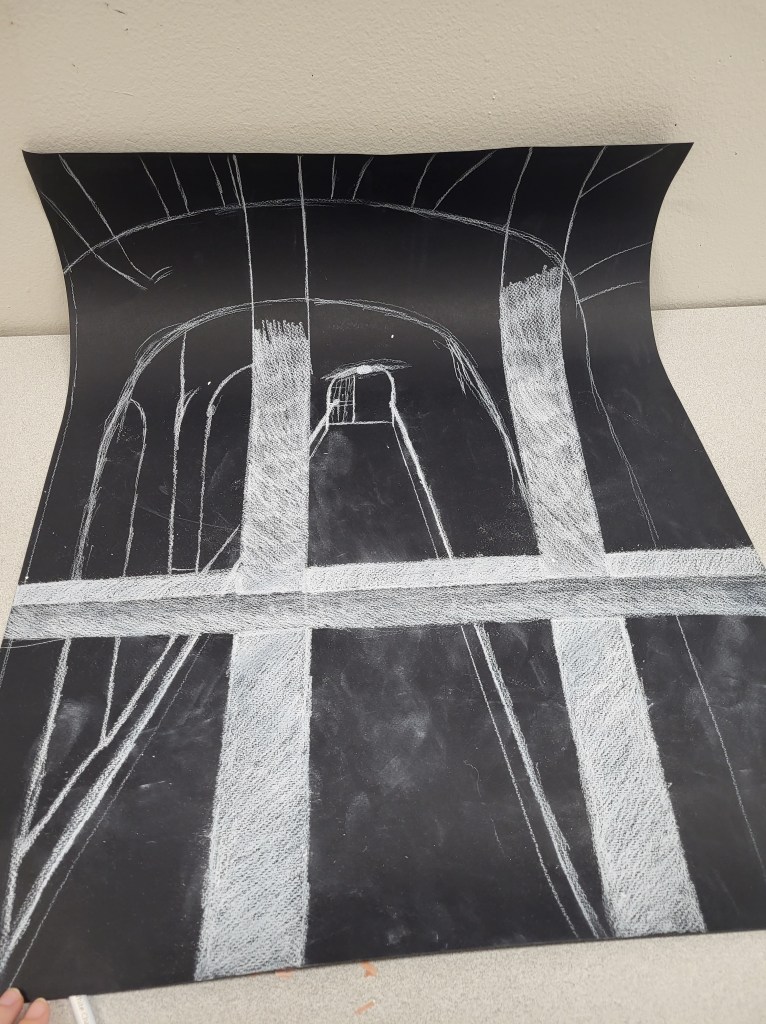
However, I did run into some trouble with the colored pencil getting all over the black paper, but that was luckily just an easy fix. After the next few days of coloring in parts white, shading other parts, and erasing mistakes I finished my drawing.

I’m personally happy with how it turned out, but I can always do better and work harder on the few issues I had. Maybe one day I’ll redraw this image just to see how my art skills change over time.
research 8

Andre Derain was born in 1880 in France just outside of Paris. He is known to have contributed to both the fauve and cubism art movements. In 1898 he attended the Académie Carriere. He and Henri Matisse, and Maurice de Vlaminck became friends. They would paint together to help one another develop as an artist. He and Matisse spent the summer of 1905 in Collioure, France, where they worked with many artists and learned many techniques for most the impressionists and post-impressionists. They worked primarily on landscapes. This is when they came up with the name “Fauves,” which translates to “Wild Beasts.” He was influenced by Paul Cezanne, and in 1908 started moving towards cubism.

Etaque (1905)

Still Life (1939)

https://www.wikiart.org/en/andre-derain

research 7

Egon Schiele was an Austrian artist and was part of the expressionist movement. He was born in 1890 in Tulln, Austria. At the age of 11 he moved to Krem. His dad died from Syphilis when he was 15 years old, and was taken in by his maternal uncle. He wasn’t ever interested in school. His uncle saw his talent for drawing, and he supported and urged him to to apply to art school. He applied to Kunstgewerbeschule in Vienna. Many faculty members convinced him to apply to a more traditional school. The main professor was strict, which made Schiele and a few of his friends leave. In 1907 he was mentored by Gustav Klimt. His early works are reminiscent of Klimt’s work. He soon developed his own recognizable style, and focused on self portraits as well as other nude portraits.

The Embrace (1917)

Seated Woman With Bent Knee (1917)

https://www.wikiart.org/en/egon-schiele

research 6

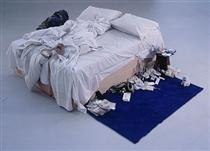
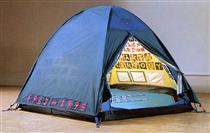
Tracey Emin was born in 1963 in London, England. She was raised by a single mother with her twin brother named Paul. As an adolescent she experienced many traumatic events that she exhibits in her work. She first studied Fashion at what is now known as University of the Creative Arts. She graduated in 1982, but returned in 1984 to study printing. In between her studies she met and was a affiliated with Billy Childish, and worked on confessional poetry. All of her work is described as “autobiographical and confessional,” She was part of the art group known as the Young British Artists that was active during the 1980s and known for their controversial works and exhibitions. This group also included Damien Hirst and Marc Quinn. Throughout her career she has worked with a variety of mediums, including film, drawing, painting, sculpture, and more. In recent years she has taught at the Royal Academy as a professor of drawing, making her one of the first female professors at the Royal Academy. She has also lectured around the world.She now lives in Spitalfields, London.

My Bed (1998

Everyone I have Ever Slept With (1963-95)

https://www.wikiart.org/en/tracey-emin

research 5

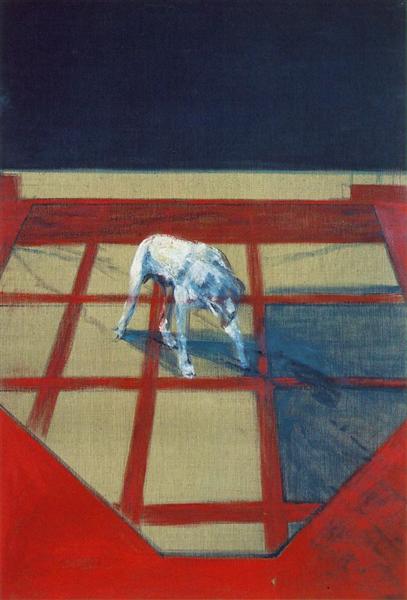
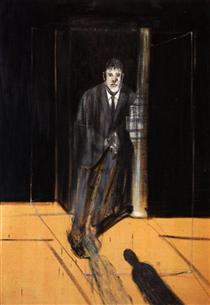
Francis Bacon was born in Ireland in 1909. He grew up between Ireland and England after World War I, and was thorn out of his parents’ home at 16 due to his homosexuality. He moved to London alone, and then traveled to Berlin and Paris. In Paris he was introduced to Pablo Picasso’s work at an exhibition. In 1928 Bacon decided to move back to London and started a career designing furniture as well as interior design. He began painting and met his soon to be partner Eric Hall. In 1933 he decided to focus on Painting. He wasn’t satisfied with most of his early work and destroyed it. He was able to get out of having to fight in World War II due to his asthma, but he still volunteered as a civil servant. After this his career finally got its start. His style was unique and distinct, once he settled in London he was part of many exhibitions.

dog (1952)

Portrait of Lucien Freud (1951)

https://www.wikiart.org/en/francis-bacon/all-works#!#filterName:Theme_lucian-freud,resultType:masonry

Deanna C. Lee

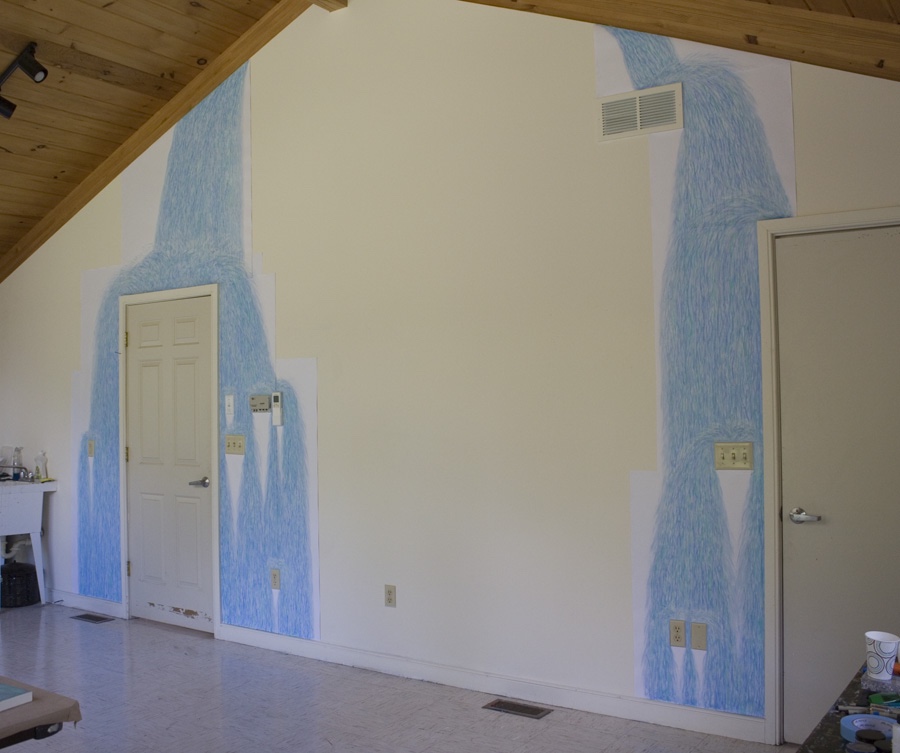
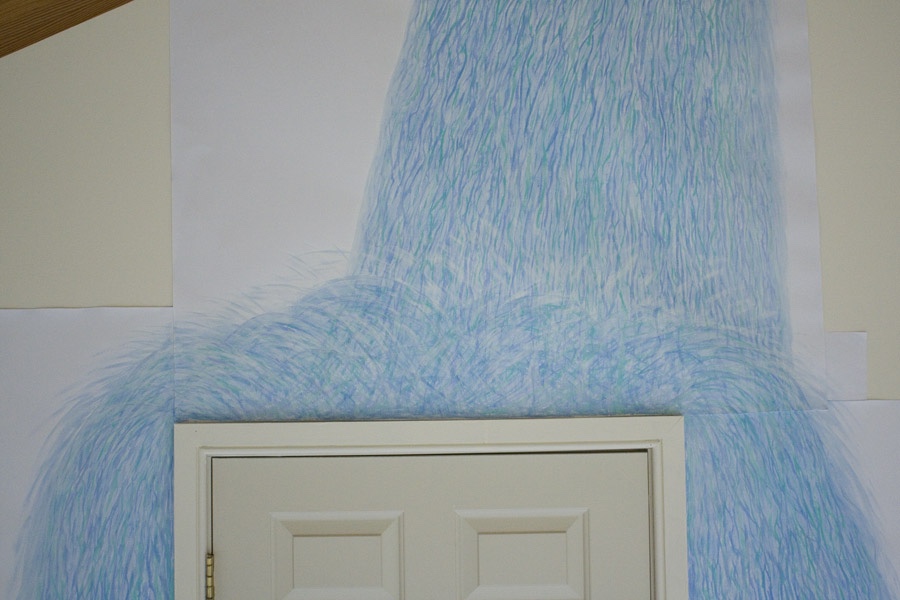
Deanna C. Lee’s work is concerned with the relationship between humans and the environment, and she often uses found and recycled materials in her sculptures and installations to explore themes of transformation, decay, and growth. In her artist statement, Lee discusses the importance of process in her work, describing her practice as a “slow, deliberate, and accumulative” process of experimentation and discovery. She also emphasizes the importance of collaboration and community in her work, noting that many of her projects involve working with others to collect and repurpose materials. Lee’s artist statement also touches on her interest in exploring the boundaries between nature and culture, and her desire to create work that provokes reflection on our relationship with the environment. She notes that her work often incorporates elements of the natural world, such as plant life and soil, and that she seeks to create immersive and transformative experiences for viewers.

‘Saltonstall Waterfalls’
Usumacinta 1 (2017; ink, gouache, and acrylic on paper on wood; 12 x 24 in)

https://deannaclee.net

https://deannaclee.net/biocv/

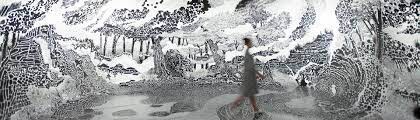
Oscar Oiwa ‘Paradise’

Oscar Oiwa is a contemporary Brazilian-Japanese artist known for his large-scale installations and drawings. He was born in São Paulo, Brazil, in 1965 to Japanese parents and grew up in Brazil and Japan. Oiwa studied at the School of Architecture and Urbanism at the University of São Paulo before pursuing a career as an artist. His work is characterized by bold, surreal imagery and often draws on themes of nature, urbanization, and identity. Oiwa is mainly known for his immersive, three-dimensional installations, often incorporating drawing, painting, and sculpture to create surreal, dreamlike environments. His work has been exhibited in galleries and museums worldwide, including the Tokyo Metropolitan Museum of Photography, the San Francisco Museum of Modern Art, and the Smithsonian National Portrait Gallery.

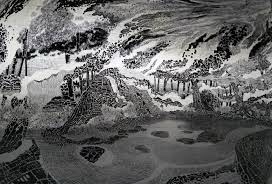
“Paradise” is a large-scale, three-dimensional installation created by Oscar Oiwa in 2017. The installation consists of a giant inflatable dome, measuring 12 meters in diameter and 6 meters in height, that is entirely covered in a mural drawn by the artist. The mural depicts a surreal and fantastical landscape with lush vegetation, winding rivers, and towering mountains. The landscape is rendered in black and white, giving it a dreamlike quality and creating a stark contrast with the white walls of the inflatable dome.

Paradise by Oscar Oiwa

research 4

Ernst Ludwig Kirchner was born in 1880 in Bavaria. He studied architecture in Dresden, Germany, but had always been very interested in painting. In 1905 he decided to leave architecture behind and pursue a career in art. In doing this he and other artist created a group called Die Brucke, which translates to “The Bridge.” In 1911 him and the group, Die Brucke, Moved from Dresden to Berlin. They found inspiration in “Primitive” art. He was drafted during World War I, and he was discharged in 1915 due to a nervous break down. He moved to Switzerland in 1917 to recover, and he spent some time in a mental institution. He stayed in Switzerland until he committed suicide in 1937. Though his life his focus was painting, in which he depicted many figures that looked elongated and slightly deformed. He also worked with woodblock printing and sculpture.

Potsdamer Platz (1914)

Self Portrait of a Soldier (1915)

“Cold Dark Matter: An Exploded View” by Cornelia Parker

Cornelia Parker is a British artist known for her site-specific installations, sculptures, and prints. She was born in 1956 in Cheshire, England, and studied at Gloucestershire College of Art and Design and Wolverhampton Polytechnic. Parker is known for transforming ordinary objects through processes of destruction and reconstruction, often using explosive or violent methods to create her artworks. She is also interested in the relationship between objects and their histories, and her work often references historical events or cultural phenomena.

“Cold Dark Matter: An Exploded View” is an artwork created by Cornelia Parker in 1991. It is a site-specific installation that consists of the fragments of a garden shed suspended in mid-air by wires and illuminated by a single lightbulb. The British Army blew up the shed at the artist’s request, and the resulting debris was carefully collected and arranged according to Parker’s specifications. The suspended fragments appear frozen in time, as if the explosion had just occurred and the debris had been momentarily paused in mid-air.

The artwork is meant to capture the moment just after an explosion when fragments are still flying through the air and before they hit the ground. Parker has described this moment as a “freeze-frame of destruction,” Her installation attempts to capture that moment and hold it in place. The artwork is also intended to provoke reflection on the destructive power of weapons and the beauty of destruction. By taking an object as mundane as a garden shed and transforming it through destruction, Parker encourages viewers to consider the many ways in which destruction can be both devastating and fascinating.

https://www.tate.org.uk/art/artworks/parker-cold-dark-matter-an-exploded-view-t06949/story-cold-dark-matter

Cold Dark Matter: An Exploded View (1991)

research 3

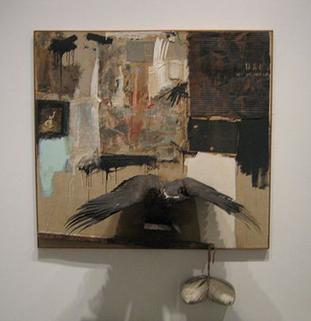
Robert Rauschenberg was an American artist born in Port Arthur, Texas, in 1925. He was raised in a christian household, and attended the University of Texas Austin for pharmacology. He served in World War II, and then he studied in Paris. In 1948 he studied at Black Mountain college with Joseph Albers, One of the founders of Bauhaus. During his time at Black Mountain College he experimented with a lot of different mediums. He later moved to New York and became close with Cy Twombly and Jasper Johns. While in New York he supported himself by designing store front displays. He began incorporating found objects into his work as well as photographs and other images. He also made what are famously known as “combines,” in which he incorporated found objects, sculpture, painting, and much more. He worked continued to create work until he passed away in 2008.

canyon (1959)

Bed (1955)

https://www.britannica.com/biography/Robert-Rauschenberg