Drawing Into Space Opening

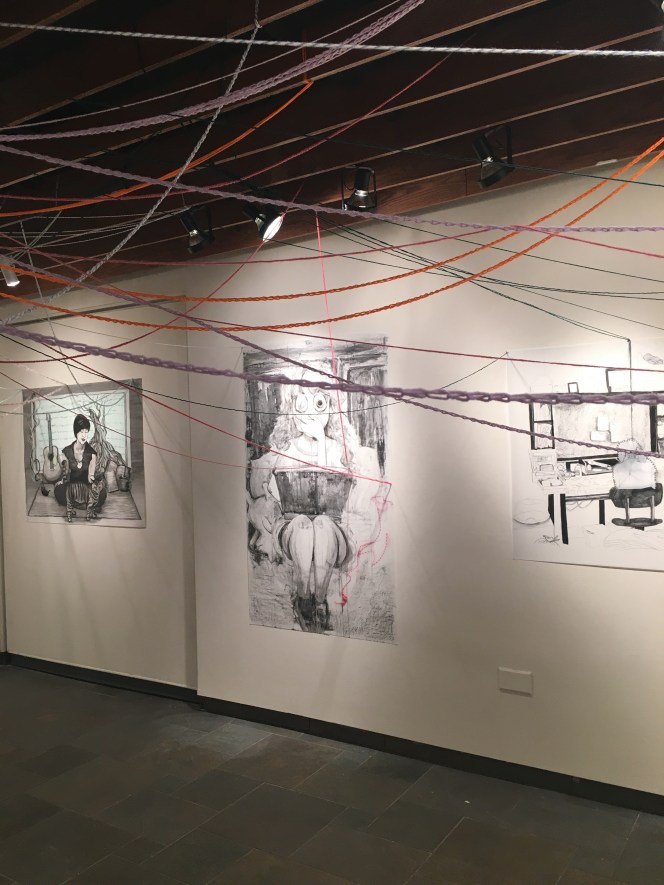
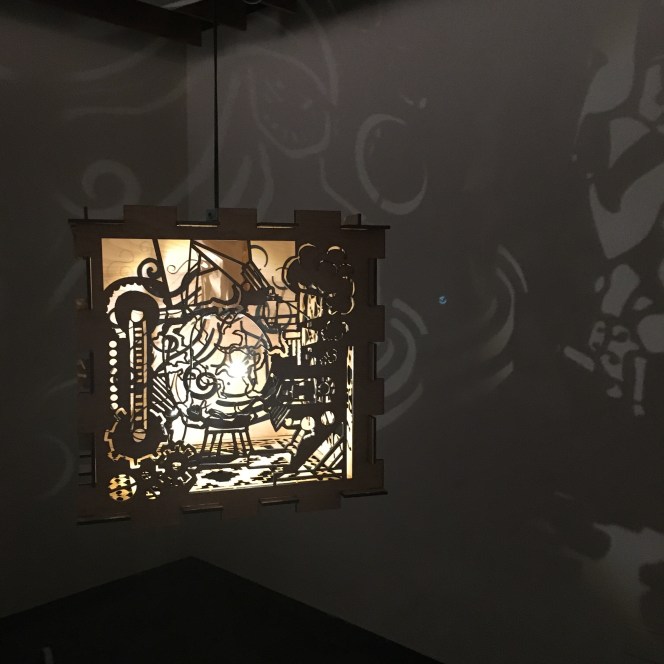
The opening was a success, we had a good turnout. Everyone finished their projects on time and cleaned up for the opening. We did it fam. Dreaming into Space was an interesting project, the use of light as a drawing on the wall was a good concept what was done well by the team with each panel being an original artwork by each member. The drawing and fabric team created nice drawings with a very interesting string chandelier in the middle. While each project was vastly different from each other in concept and visual approach they all came together through the idea of “Drawing into Space”One thing I noticed is that in each piece there was a certain level of interaction with the audience, whether it was dodging strings to having the shadows on the audience to the audience writing on the wall, each one had a interaction with the audience whether intended or not. Its seems as though everyone enjoyed their time seeing the exhibition. The panel went pretty well too. I thought it was good experience as an artist to talk about to your work to an engaging audience and to witness your work during an opening to see what it is like.


IMG_1840.jpgIMG_1841.jpgIMG_1845.jpgIMG_1872.jpg


IMG_1874.jpgIMG_1844.jpg

Zeitgeist

During the day of the exhibition we finally finished the installation. Throughout the process of creating this project we did run into some problems such a time management, communication, and artistic disagreements. However despite the setback, I would have to say that this experience was a good one in that i believe i learned how to collaborate with a group of artists and how it was like to set up for a exhibition. While i am disappointed with the outcome of the final piece, I am glad that we manged to complete the project on time despite the lack of time and the ambitious nature of the project.  I think we did the best we could with what we had and what limited time was allowed for us. Would I work collaboratively again? Not unless I have to, that is not to say I’m not a team player, I would just rather work alone. The biggest thing I took away from this assignment though was the experience of planing and setting up for an exhibition. I learned a lot actually about the time it took and what had to be done before the opening such as lighting, cleaning, preparation, etc.


IMG_1840.jpgIMG_1864.jpgIMG_1841.jpg

Wire Installation Progress

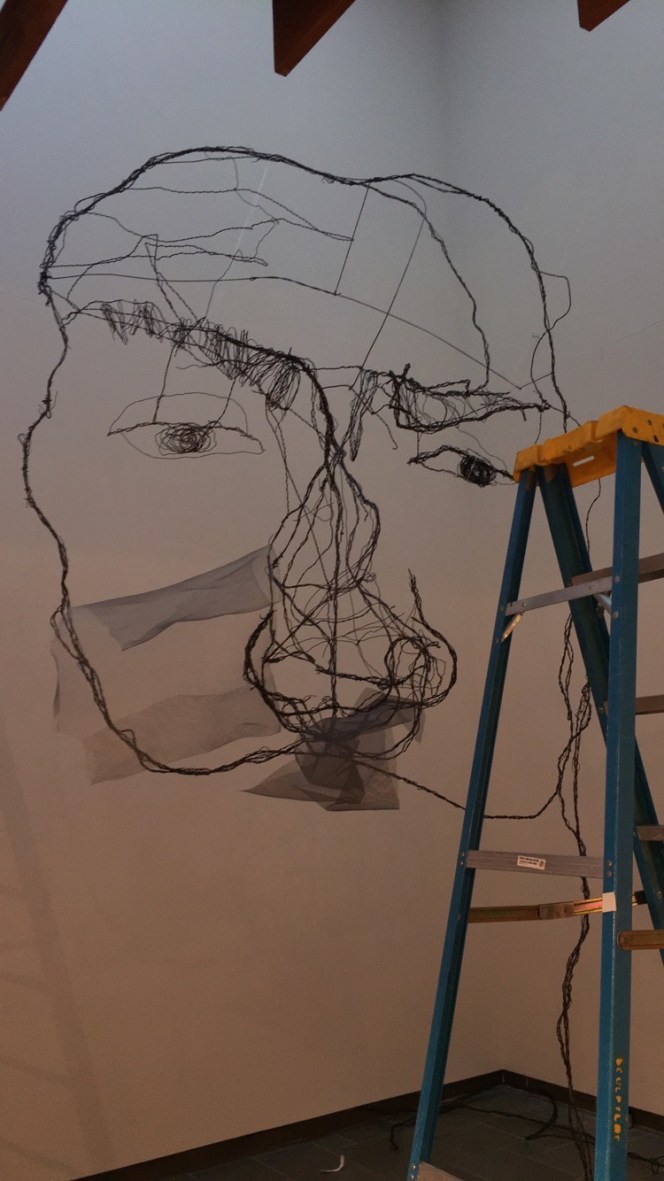
The sculpture continues to be built. As of now we are making more wore and prints of drawings to be placed on the wall. We are currently figuring out how to support the weightIMG_1815.jpgIMG_1814.jpg

Wire Installation Update

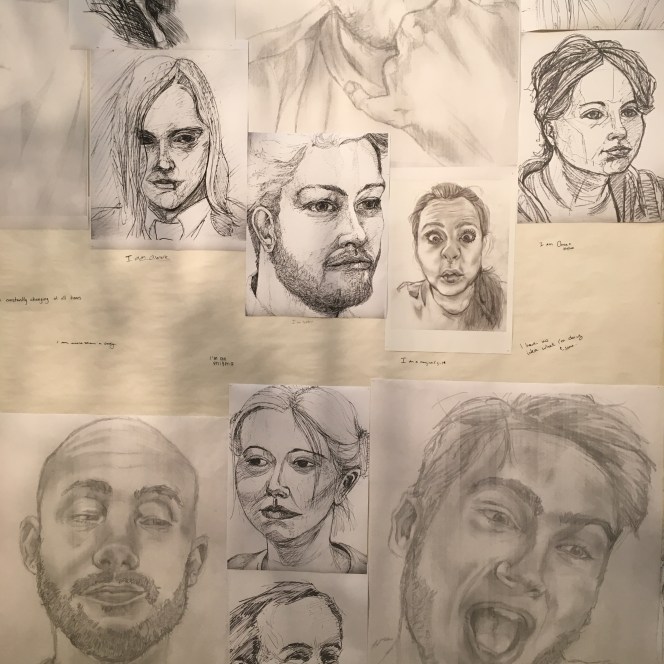
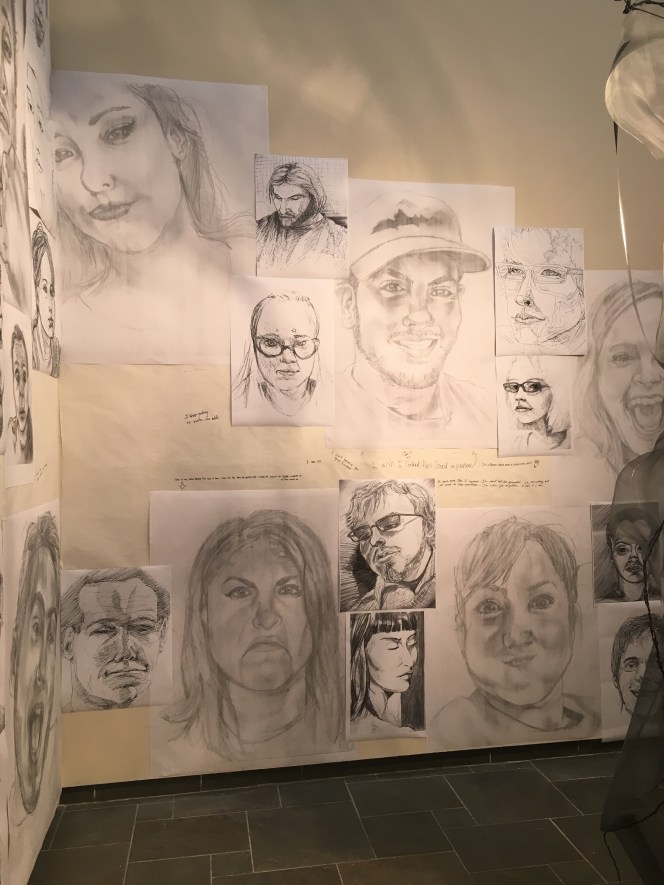
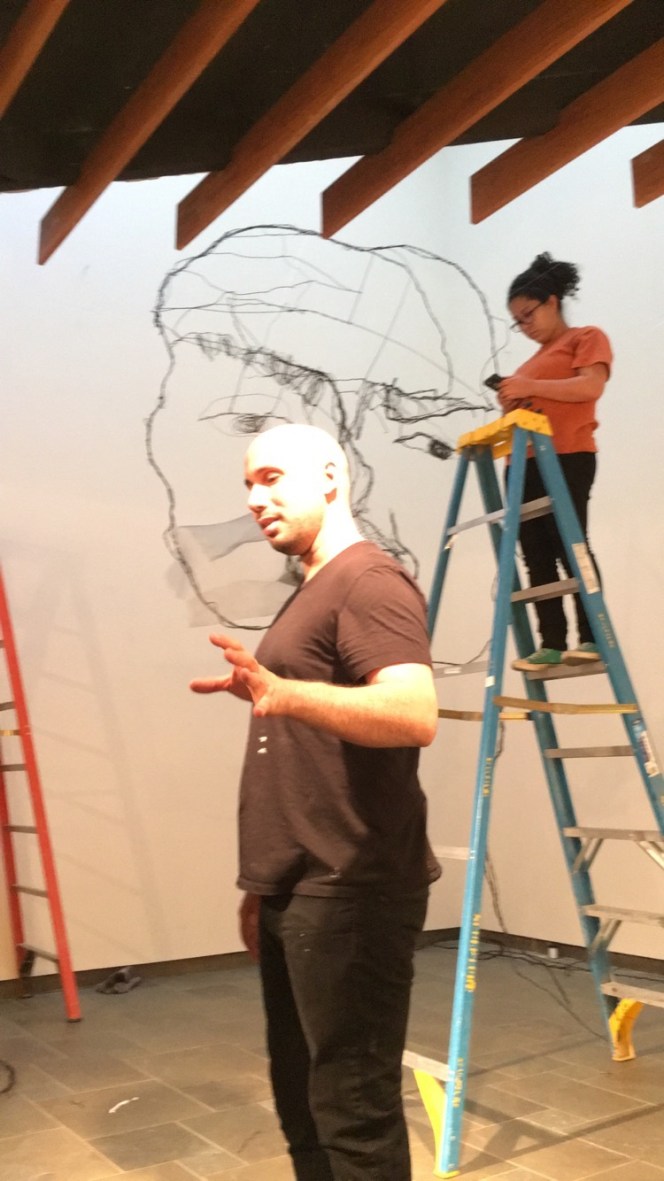
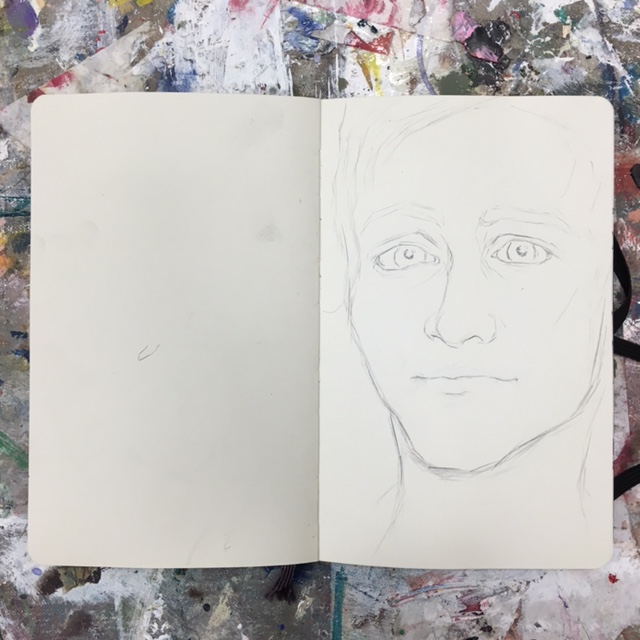
For the wire installation, each one of us gathered various portraits of art student, which later became open to people outside of the art department as well. Next we began to draw out portraits we found to be interesting. these drawings will eventually become the basis of the wire sculptureIMG_1656.JPGIMG_1666.JPGIMG_1660.JPGIMG_1680.JPG.

Cardboard Project

For this project I didn’t have an initial idea in mind. using cardboard I created an abstract sculpture using mainly geometric shapes. This project was a go with the flow type project for me. I was simply building on top of what I had previous step as I was building the object. I also added plane structure sticking out of the object to make it more interesting and more sharp.The result of which as an odd abstract totem with a river a cardboard tape running through the entries and orifices of the sculpture. The drawing I did with charcoal was much like the sculpture itself, impulsive and abstract yet done with intention. If I could redo this project I would. I would have planned more in advance of given the option. IMG_1677.JPGIMG_1678.JPGIMG_1676.JPG

Fu Xiaotong’s Intricate Landscapes

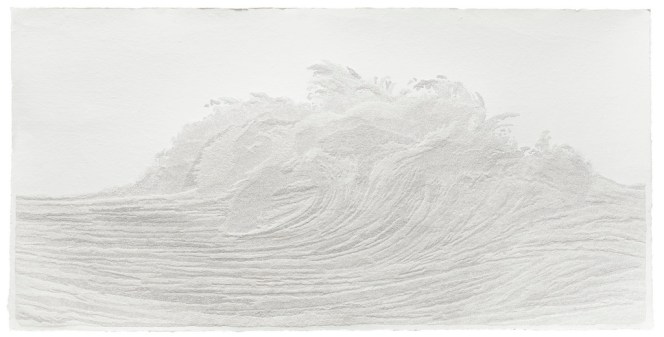
For centuries Chinese artist over time have depicted the cultural landscape in their works showcasing China’s land in a way that does it justice. Artist Fu Xiaotong continues this long tradition in her own unique way. Using a single tony needle and  large pieces of paper, Xiaotong uses the needle as a pen poking holes into the paper in the same manner as pointillism. Poking the paper with the need hundreds and thousands of times to create a monochromatic  version of the tradition of Chinese landscapes. After She had completed a drawing, she then names the artworks based the number of time she has pierced the paper which can go up to 700,000 times. The interesting thing I found about her work is that while the images are flat, when she is finished it almost as though she managed to make the forms in the drawings looks raised.


25058579221_e46ab22596_o24775393829_91e073a76b_b_d

Works Cited: http://hifructose.com/2016/02/20/fu-xiaotong-draws-chinese-landscapes-with-thousands-of-pinholes/

Conor Harrington’s New classical

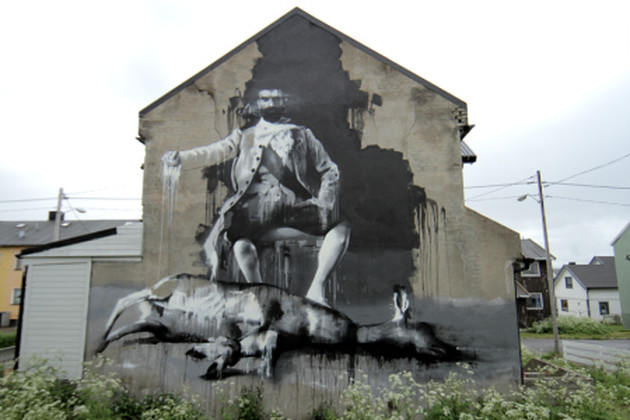
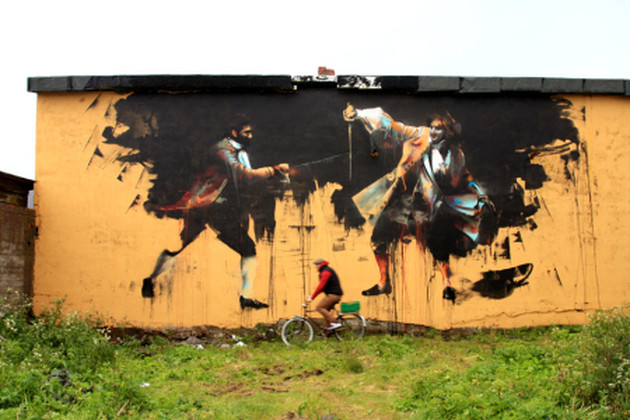
Conor Harrington is a former graffiti artist and now painter from Ireland that combines the aesthetics of classical art with a contemporary twist. In his work he paints his subjects in a realistic and classical manner and juxtaposes them with the modern abstractions and motif of graffiti such a dripping paint and sporadic paint strokes. The majority of the time he depicts the male figure in the position of power and showcases male masculinity in the same that old classical paintings depicted men as stern, high class, and composed. Combined with vagueness of abstractions Harrington uses this a a comment on male identity and roles on society. While Harrington usually paints on more tradition surfaces such a canvas he is more known for his use of space with the murals he paints, using the shape of the wall and buildings as the shape of his giant canvas and composition.


452188_db0d231fc4cb485ca196f51b3e52c325452188_e68d55cc121d47aab10676549ba44503

Works Cited: http://www.streetartbio.com/#!about-conor-harrington-bio/cnt1

Dan & Jenny’s Wall Installation

This installation was created by each one of us reacting to the others previous move. First we started of with a grid using the alignment of the brick and stings, after which we started take turns placing an object onto the wall. when it was one of our turns, we used the placement of the object as a reaction the the previous. Our installation was more about the process of creating rather than an actual concrete concept for an idea. This is actually our third attempt at building this installing due to building restrictions and regulations of the Rowe building. The second attempt was still based off of lack of concept, which was scrapped more of from a lack of communication and reaction. The color scheme coincidentally similar to Lunar New Year and was just in time for it. After adding on the main structures of this installation, we decided to add other elements such as ribbons, and a small crane for accents. Most of the extra ribbons was draped or tied to make certain cardboard structures pop more, but also complimented the brick background.

image.jpeg

Yusuke Asai’s Mud Paintings

Yusuke Asai is an artist that primarily uses mud to create his massive murals. The thing about Asai is that he specifically uses the dirt and water from the area that he is painting at, in a process he calls “earth painting”. Using material from the earth, Asai considers his art to be “alive” like a giant organism with all its inter-working cells colliding. His paintings consists of multi layered intricate paintings of creatures and characters surrounded by patterns and motifs resembling that of Gustav Klimt. With this Asai creates an imaginative whimsical world of intertwining oddities. From the bottom of the floor, to the ceiling, and everything in between, his painting span the size of entire room as well as on the floor. As mud as his only medium, it’s almost as if he is creating modern day cave painting, making the connection of using a natural pigment and the subject matter of animals. 24184646416_91753e77ed_b23842895219_50f5a9273d_b

Source: http://hifructose.com/2016/01/06/yusuke-asai-uses-mud-to-create-his-large-scale-earth-paintings/

David Spriggs’s 3D Paintings

David Spriggs is an installation artist that uses layers and paint to create his immersive works of art. He is inspired by the notion that painting can bring out certain qualities that sculpture cannot and vice versa, to which Spriggs combined the two concentrations to be able to create what he envisioned. As Sprigg states “Almost all art throughout history has been an engagement with space. It is the same exploration of space that lead to my own process. Sculpture is inherently about space and form, while in painting there has been various developments regarding the representation and understanding of space; the invention of linear perspective being of major importance.” Using hundreds and hundreds of layers of acrylic paint on thin sheets of film, he manages to create large 3D painting of abstract forms that resemble storms and contained explosions. His works span into large scale wall sized installations. One of the most interesting things I find about Spriggs work is the illusion of a 3D scupture while actually being in a 2D form.


05. Spriggs 2009 AXIS OF POWER14. Spriggs 2010 VISION


Source: http://www.visualnews.com/2013/09/25/immersive-3d-paintings-layers-transparent-film-interview-artist-david-spriggs/