Research Post 4: Diego Rivera

Diego Rivera was born in Guanajuato City, Mexico on December 8, 1886. Rivera was born a twin and his twin brother died just two years after they were born. This event in Diego’s life is what led him to start his art career at the age of three. His parents then started to hang up paper and canvas to encourage his art.

The styles of art that Rivera was known for were paintings and murals. He moved to Paris, France, and found his first wife, Angelina Beloff whom he had his first kid who died at two years old. He had many wives one of which includes Frida Kahlo. Diego Rivera died, on November 24, 1957, in Mexico City, Mexico.

The Woman at the Well, 1913

After the Storm, 1910
Collage

For the collage assignment, I initially wanted to make something sculptural using cardboard. However, I missed class and then the winter storm happened and I didn’t have a box cutter or a lot of newspapers so I just stuck to paper. I found some old art magazines I had, and all of the images had a sort of vintage vibe to them, which I thought would be cool for this project. It was hard to execute what I had in my head since I didn’t have an exacto knife, but I tried my best with some kitchen scissors. I think overall I tried to tell a story using images from the magazines, and also create a sense of nostalgia.

Research Post #4- Annalù Boeretto

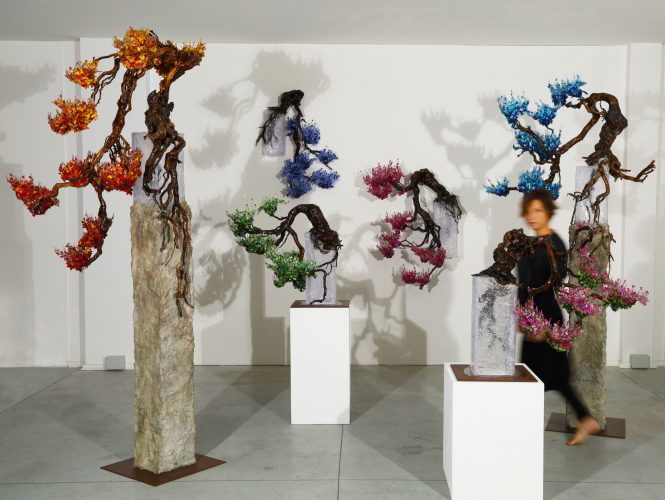
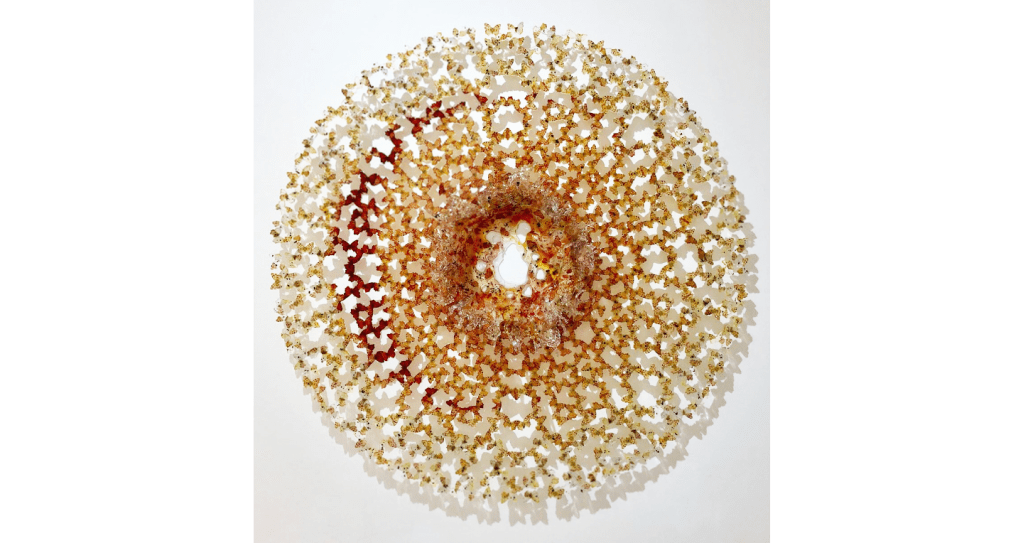
Boeretto is an Italian artist born in 1976, currently working in Venice. Using a range of materials from glass wool, bark, resin, and sand, she creates different sculptural pieces that bring a sense of wonder. Her work stood out to me due to the strong incorporation of butterflies, which I think can bring almost anyone joy. She has many pieces that are dreamcatchers she has created with butterflies and different materials. Seeing the swirl of beautiful wings and different colors is truly fascinating, I love the uniformity of it all coming together. The way she incorporates the same materials into the tree sculptures brings all of her work into the same light. In an interview she states that, “I believe in language that creates new forms through a strong symbiosis between technique and content. I believe in the work that obscures a standardizing light. I always start with the need to translate content or visions into form. This need leads to the search to find the right strategies, the ways to give voice to the image to be created.”

Jason Eatherly

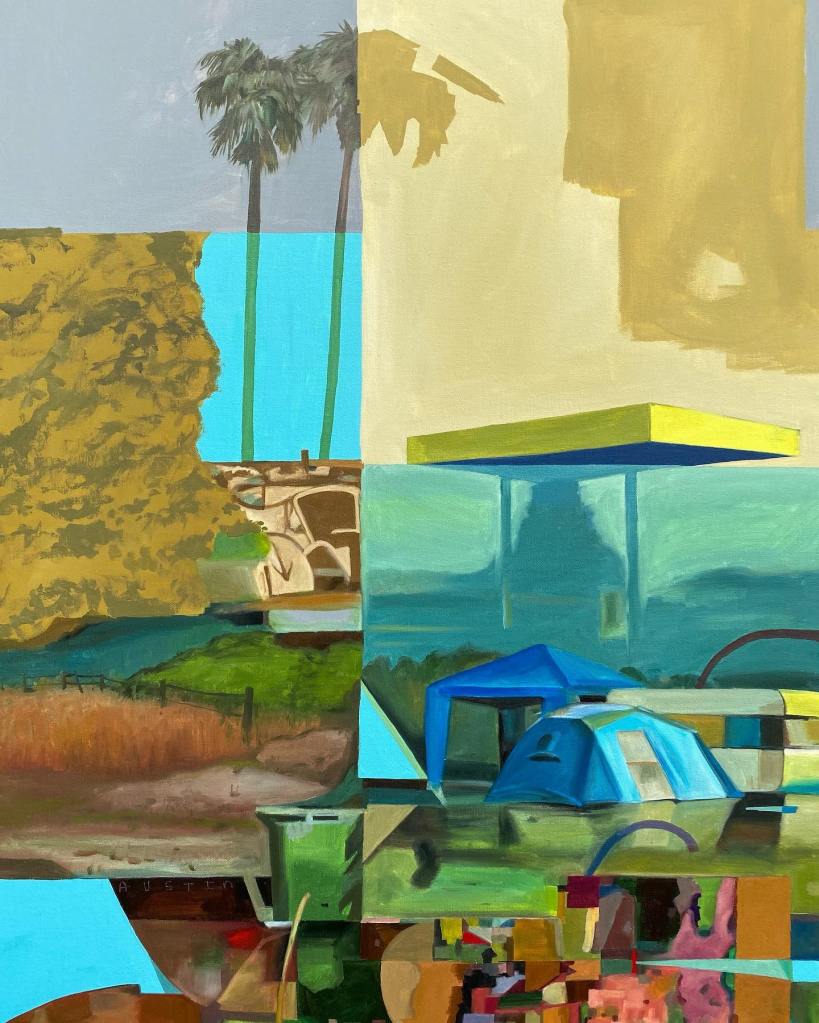
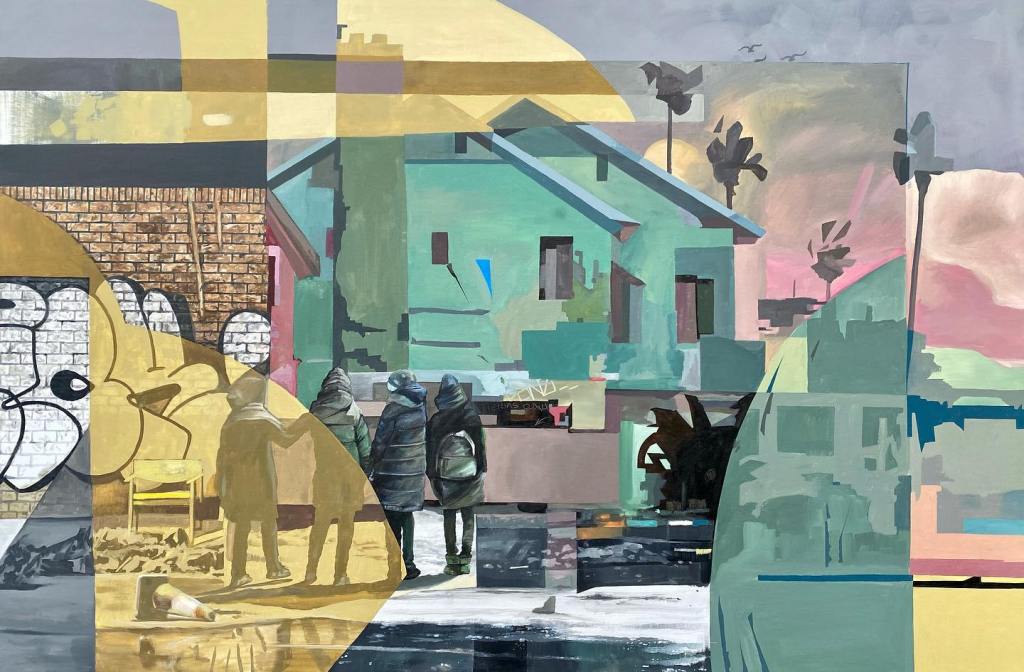
An artist from the Midwest, moved to Austin Texas. He started to paint when he was 12 years old. Because of the love and support of his mother, he continued working from small interior pieces to giant murals. Jason is a muralist that places his work on the streets of Austin and lost spaces. This means broken down structures and weathered environments.

Jason Eatherly doesnt keep any of his work but gives his art out to the people to see. A lot of pieces are collaborated with companies that try to make a change in the world. For example, Eatherly has worked with LIFEWTR, a water bottle brand that supports local artist and to help art in the education system.

“Favorite air bnb”
26x36in.
Oil on canvas

“Where we go is fun.”

40x60in.

acrylic and oil on canvas

Research #3- François Schuiten

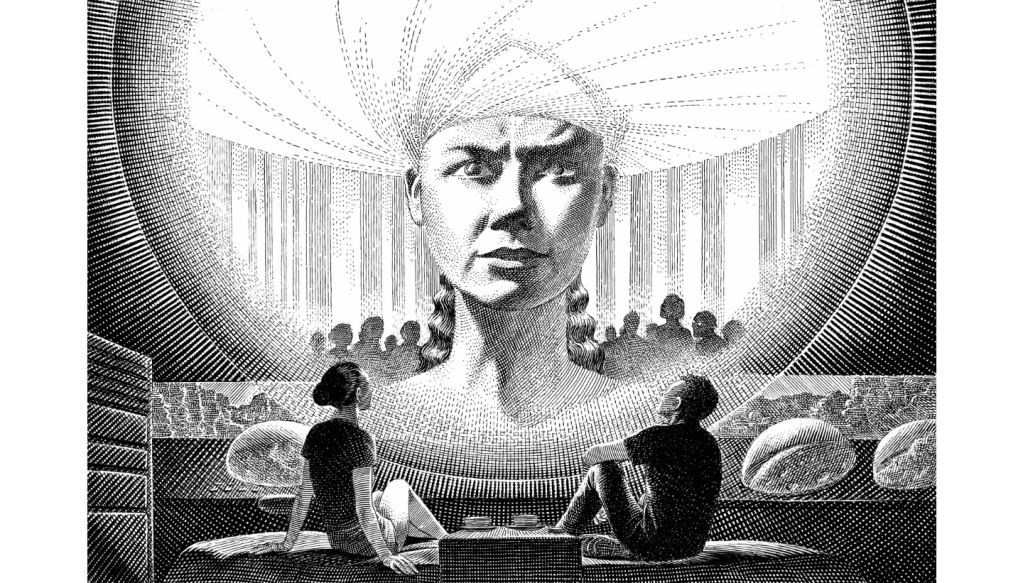
Schuiten is a producer, writer, & comic book artist born in 1956 in Belgium. He has many works that convey a majestic feeling, almost a divine energy, famously known for The Obscure Cities, where humans live in independent city states, each characterised by a distinctive architectural style and civilization. He has a strong inspiration from architecture (especially since both of his parents were one) , city spaces and art deco. Drawings by Schuiten appear to have a universe within them. His ability to create depth and stretch out different landscapes is inspiring. His comic books stories have a strong focus on architecture, architects, and specific buildings he has made up. The first comic he published was by the age of 16. Expanding into new mediums he has even developed subway stations and a pavilion in Lisbonne.

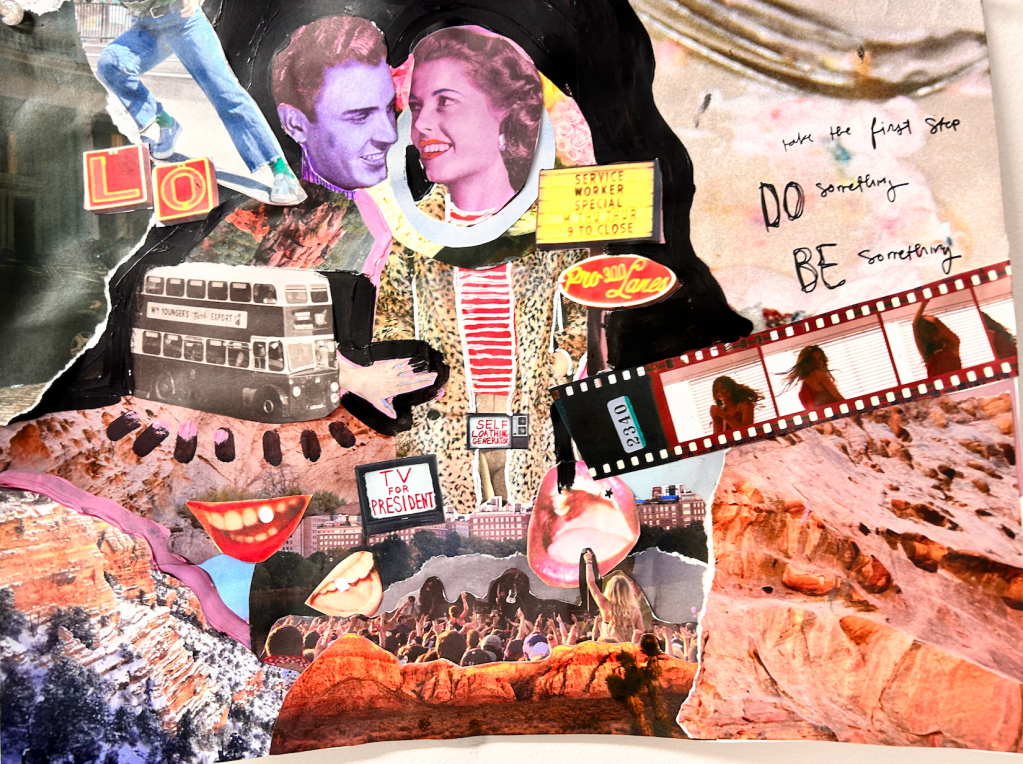
Collage Post- Juliana Q

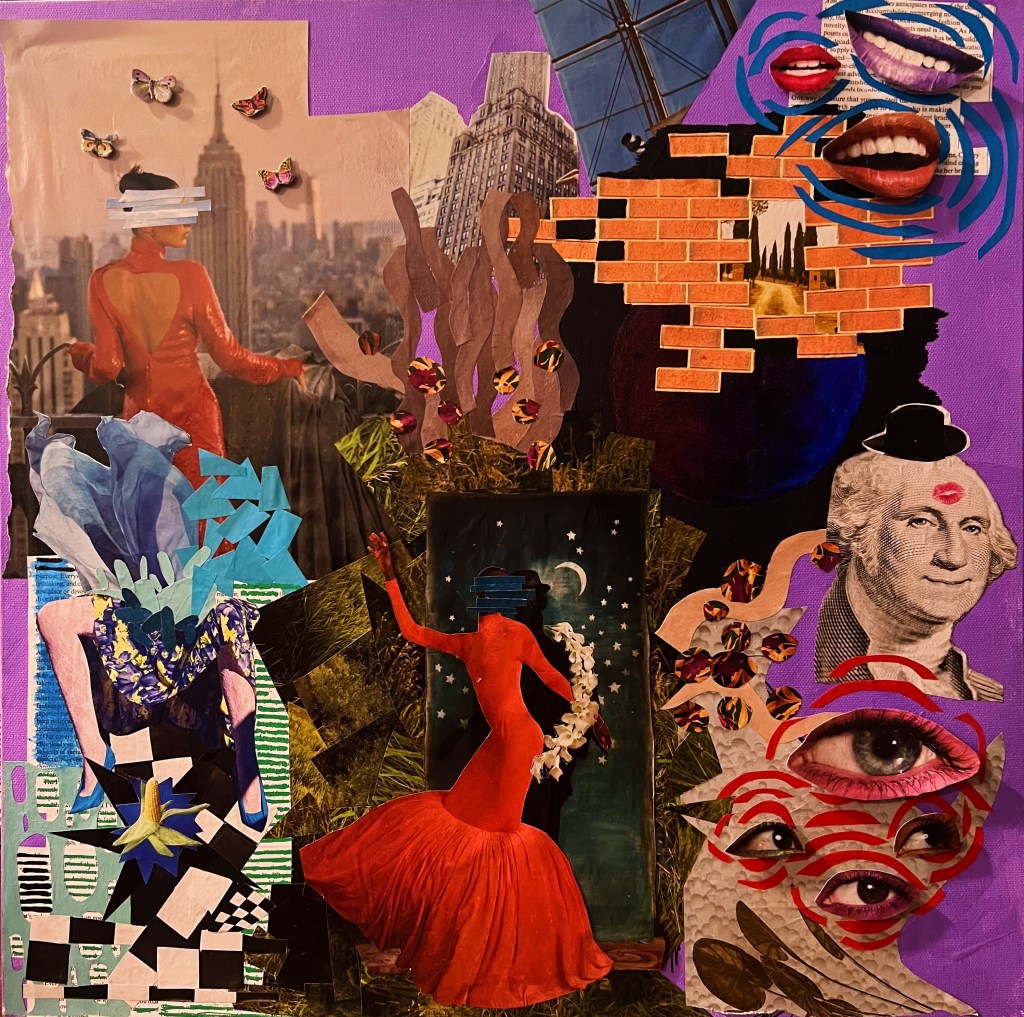
My process began with me cutting up different shapes, patterns, faces and symbols from different magazines. I cut out anything that was appealing or interesting to me. After having a supply of cut out images I began pasting them onto a canvas. It was fun trying to make everything come together in a uniform way. Throughout pasting, I placed different meanings onto the images I was creating, it felt as if my subconscious was working through these random images to make a specific meaning for myself, which in turn was therapeutic. It was satisfying pasting everything and using my creativity to make this collage. I would like to come back to it one day and add more acrylic paint around the outside.

Justin Favela

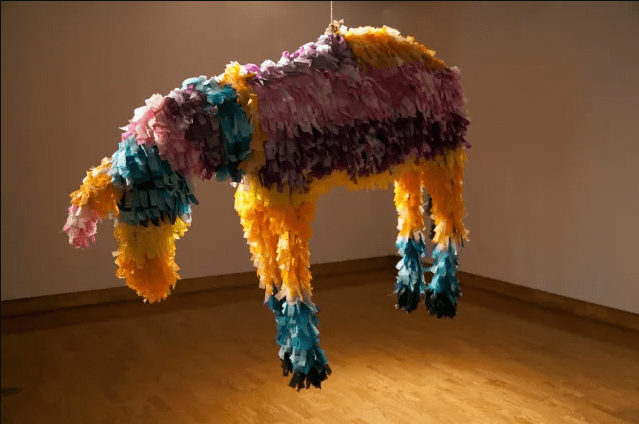
Born in 1986 and raised in Las Vegas, Nevada. Justin Favela is a Guatemalan-Mexican-American Artist who works in a large installation depicting cultural images and themes through ‘pinata’ art. Coming out of art school Favela adopted the practice of ‘pinata’ art as a means to end the constant commentary for him to speak about his identity as a person of color through his art for assignments. His first work “Donkey Pinata” depicts a realistic donkey hung by a string and covered in small cuts of tissue paper and adhesive to create the ‘pinata’ look. Using this visual language Favela creates large murals and sculptural pieces depicting Latin American landscapes and culturally significant objects.

“Donkey Pinata”

His career makes light of his identity as a queer person of color raised in the Southwest United States. Through this lens Favela also questions the ideas surrounding cultural appropriation in a humorous way that sparks conversation.

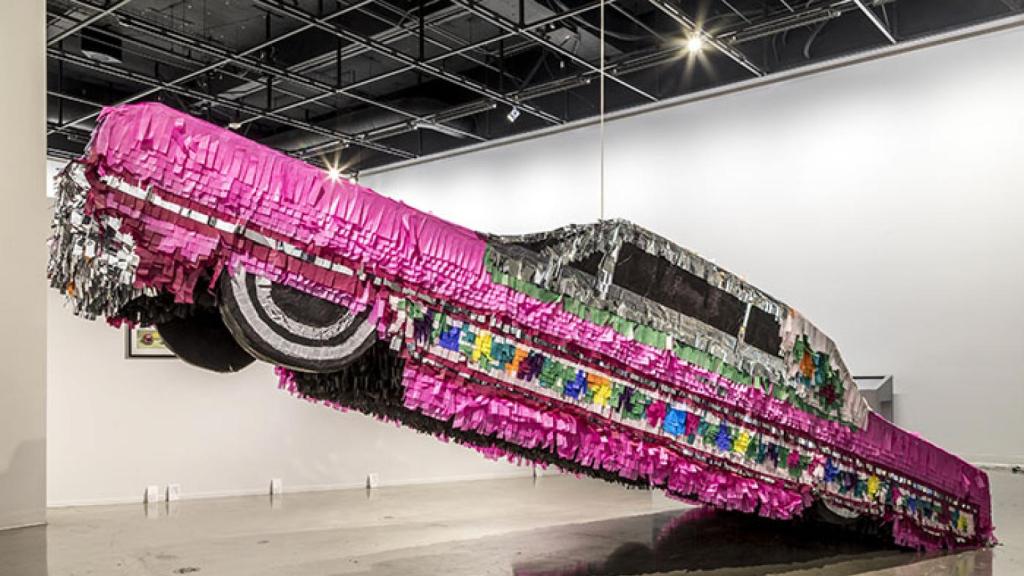
“Gypsy Rose Pinata” 2017
“Recuerdame” 2018

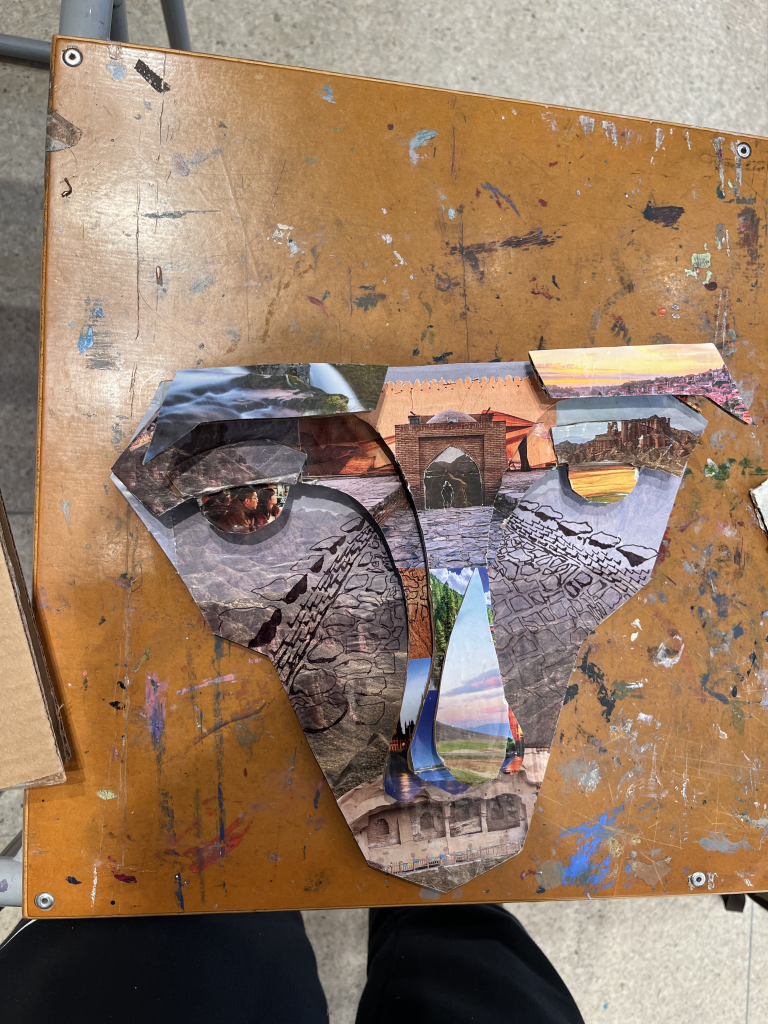
Collage: Defienlty not an African Mask

This collage assignment was given to me with a few passing notes of “or your collage could be cardboard and make something almost sculptural”, so I did that because it sounded like fun. Immediately I wanted something that resembles an illusion, where the sculptural aspect comes out to the viewer, but the collaged pieces, photos, and drawings would give a sense of space going into the piece. I made the sculptural piece resemble a face because I thought it would be the most recognizable shape for the human eye to see with all the other visual elements. The collage material I wanted to be nature photos because it did a lot of the work for me creating large vast spaces and atmospheric perspective. The goal was being able to give the viewer a choice of either seeing the face or the collage scene at either time.

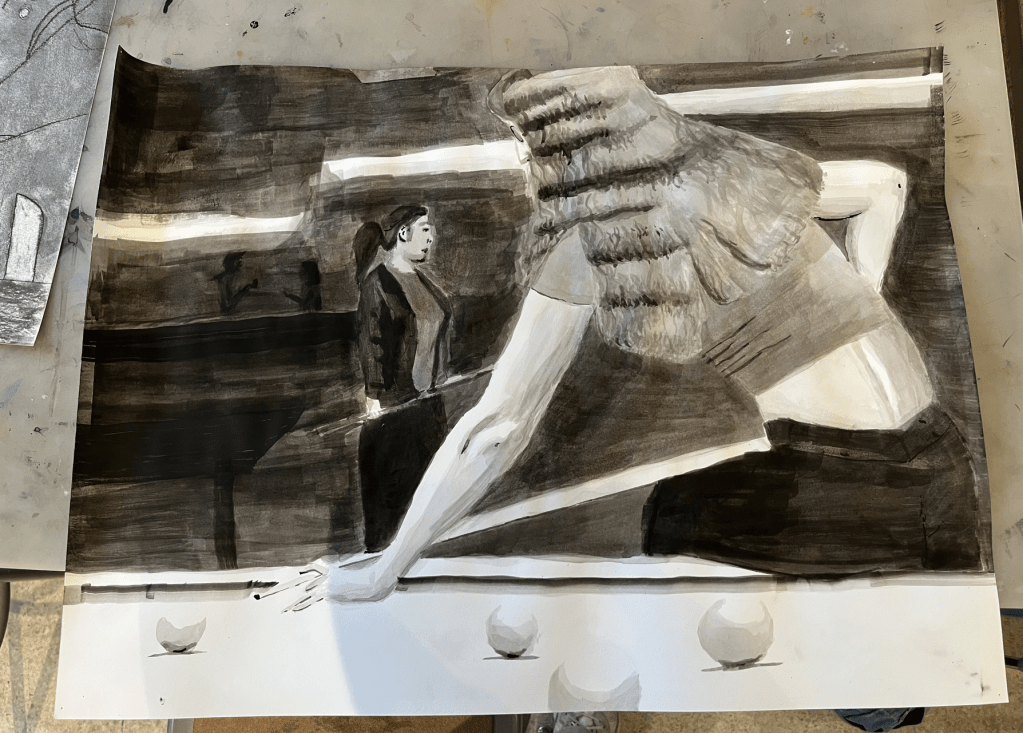
Atmospheric Perspective: Billards table

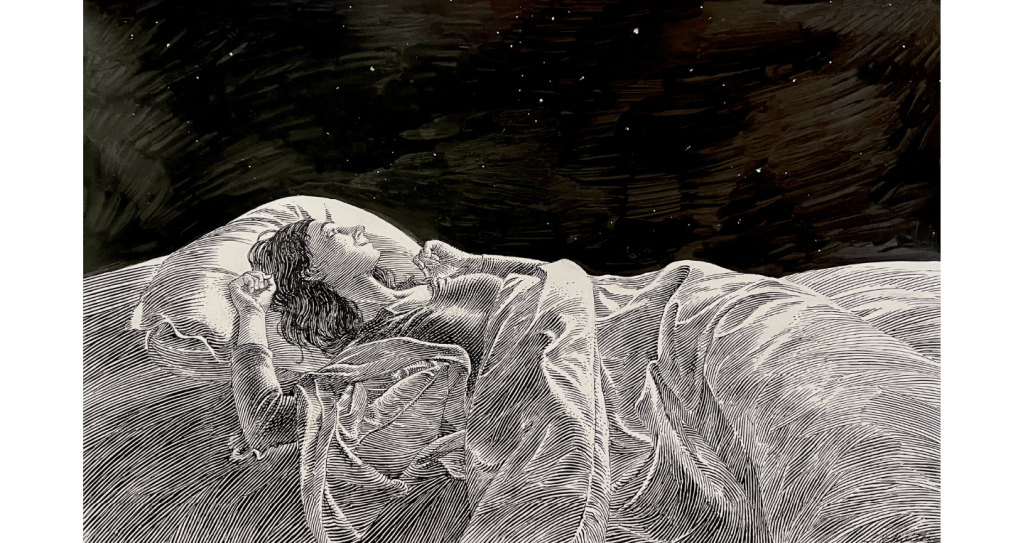
For this project, the idea was to practice creating a sense of space in an indoor scene without relying on perspective lines to push the images back. I have worked in digital media as a designer for years, so when I had the opportunity to try more traditional means of creating I wanted to try a wet medium. This piece was made using ink wash and my goal was to allow more gestural marks to come out of the piece because I’m used to working with very precise-looking images when working digitally.

One consistent issue was creating a dark enough scene for the background and capturing the texture of hair since the subject had very wavy curls.

Jacqueline Surdell

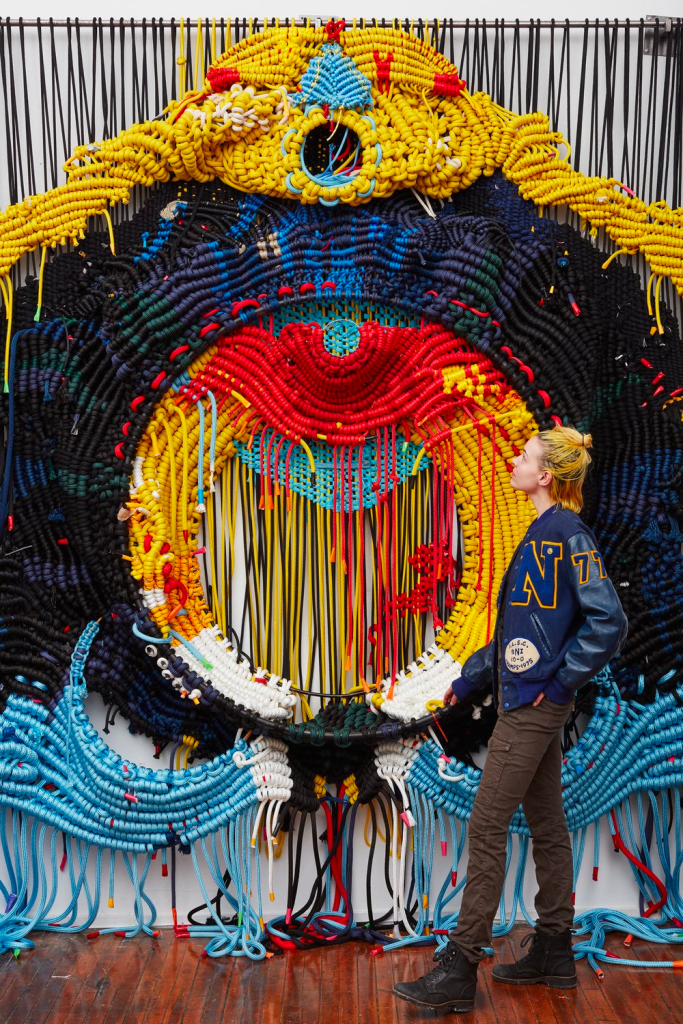
Jacqueline Surdell is a Chicago-based artist born in 1993. Surdell is an artist that uses long pieces of rope, fabric, and silky ribbons to make her colorful abstract tapestries.

While growing up in Chicago, Surdell was heavily influenced by her grandfather’s physical labor working in steel mills and her grandmother’s conceptual labor as a landscape artist. These combined influences created Surdell’s artistic view of “life and work, body and labor, industry and craft, and the high-brow traditions of plein-air landscape painting, merged.” Through this, Surdell became more interested in both athleticism and artistry as she grew older which helped with her work since it requires a lot of physical labor and full-body movement to create.

We Will Win: Our Banner in the Sky (after Frederic Edwin Church) (2020)

Materials: cotton cord, nylon, paracord, fabric, and ribbons

Dimensions: 84 x 108 x 12 inches, 120-inch bar.

Because of the sheer amount of materials used and how large her tapestries are, Surdell’s work tends to be suspended by wood or steel rods with each tapestry weighing an average of 150 pounds. Surdell also had to create her own massive handmade looms just to be able to create her work. Surdell’s work is actively seen as a bridge to unite the mediums of painting and sculpture together where she knots and looms materials together with the spontaneity of contemporary painting to reimagine woven canvas.

Score!
Installation, 2022

Asymmetry
Installation views of Asymmetry, a two-person exhibition featuring the work of Robert Moreland and Jacqueline Surdell
March 12 – May 4, 2022